
Where the Pacific Reveals the Soul of Riviera Nayarit
- Sports & Lifestyle
- Jan 21
- 3 min read

Updated: Feb 18
By Monique Sanmiguel
Photos: Courtesy Sectur, Getty Images, Mark Knight, St Regis, Four Seasons & Unsplash

On Mexico’s Pacific coast, Nayarit presents a landscape confident in its own value. Sophistication takes many forms: a marina where superyachts share the first light with traditional fishing boats; a golf course that appears and disappears with the tide; an ancestral recipe served with quiet refinement; an Indigenous community preserving sacred symbols with the same reverence one might find in a European museum collection. This is a place designed for those who understand that experience matters as much as arrival.

Bahía de Banderas
Few stretches of the Pacific combine polish and natural beauty with such ease. Along the bay, expanses of turquoise water give way to beaches that range from vibrant and social to utterly secluded—some accessible only by boat or via jungle paths that reward the curious. Hospitality here operates at an international level, with award-winning resorts, world-class spas, pristine marinas and a dining scene shaped for discerning palates.
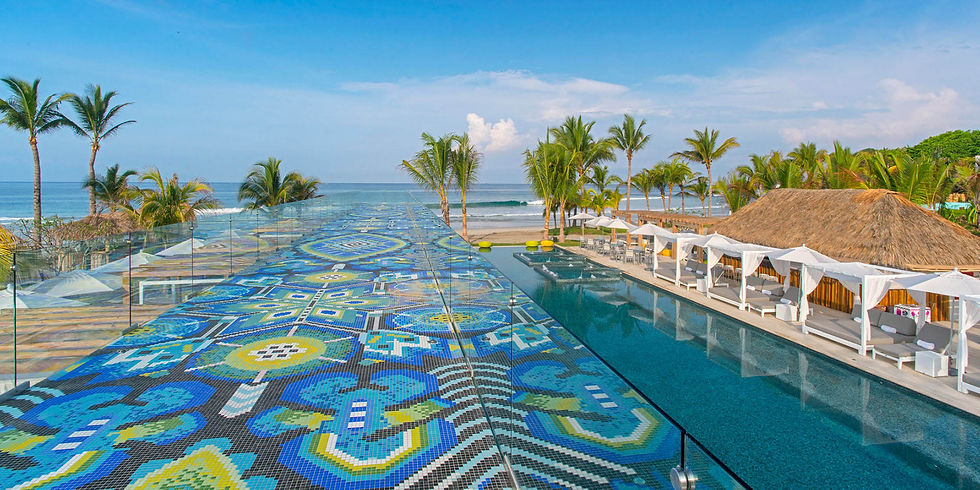
Nuevo Nayarit anchors the bay with a concentration of acclaimed hotels and residential developments, several recognised with Five Diamond status. Architecture is thoughtful, gardens are lush, and infinity pools seem to dissolve into the horizon.
La Cruz de Huanacaxtle offers a compelling counterpoint. Once a quiet fishing village, it now shares space with one of the most modern marinas on the Mexican Pacific. At dawn, long-range yachts sit alongside fishermen returning with the morning catch. A weekly seaside market celebrates local produce, while restaurants, yacht clubs and rooftop bars frame sunsets that linger long after nightfall.

Punta Mita, a private peninsula, represents one of Mexico’s most refined expressions of residential and resort living. Pale sand beaches, luminous turquoise waters and rolling green hills set the stage for iconic hotels, private villas and Jack Nicklaus–designed golf courses. The legendary Tail of the Whale hole—an island green accessible only at low tide—has become a symbol of experiential golf worldwide. Life here revolves around the ocean: whale watching, sailing, surfing, paddle boarding and kite surfing are part of the daily rhythm. From the pier at Porta Fortuna Ocean Club, sunset cruises unfold with champagne and an uninterrupted horizon.

San Pancho is the affectionately named by the inhabitants of Nayarit. —officially San Francisco—adds an unexpected cultural depth to the Riviera Nayarit. Often described as its cultural heart, the town blends social initiatives, galleries, performance spaces and mural-lined streets into a vibrant community life. Nearby, Tierra Tropical Polo Club brings together equestrian sport, contemporary architecture and refined dining in a setting framed by palm trees and the Pacific.
Compostela
One of western Mexico’s oldest settlements, Compostela invites travellers inland, away from the coast. Founded in 1530 as the Villa del Espíritu de la Nueva Galicia, it’s home to historic landmarks such as the parish of Santiago Apóstol. The city preserves colonial architecture; artisan traditions and a growing gastronomic culture rooted in coffee and tobacco. The surrounding mountains form part of a coffee route that winds through estates increasingly recognised for quality and craftsmanship. Tastings, workshops and sweeping views turn the journey into a fully immersive experience.
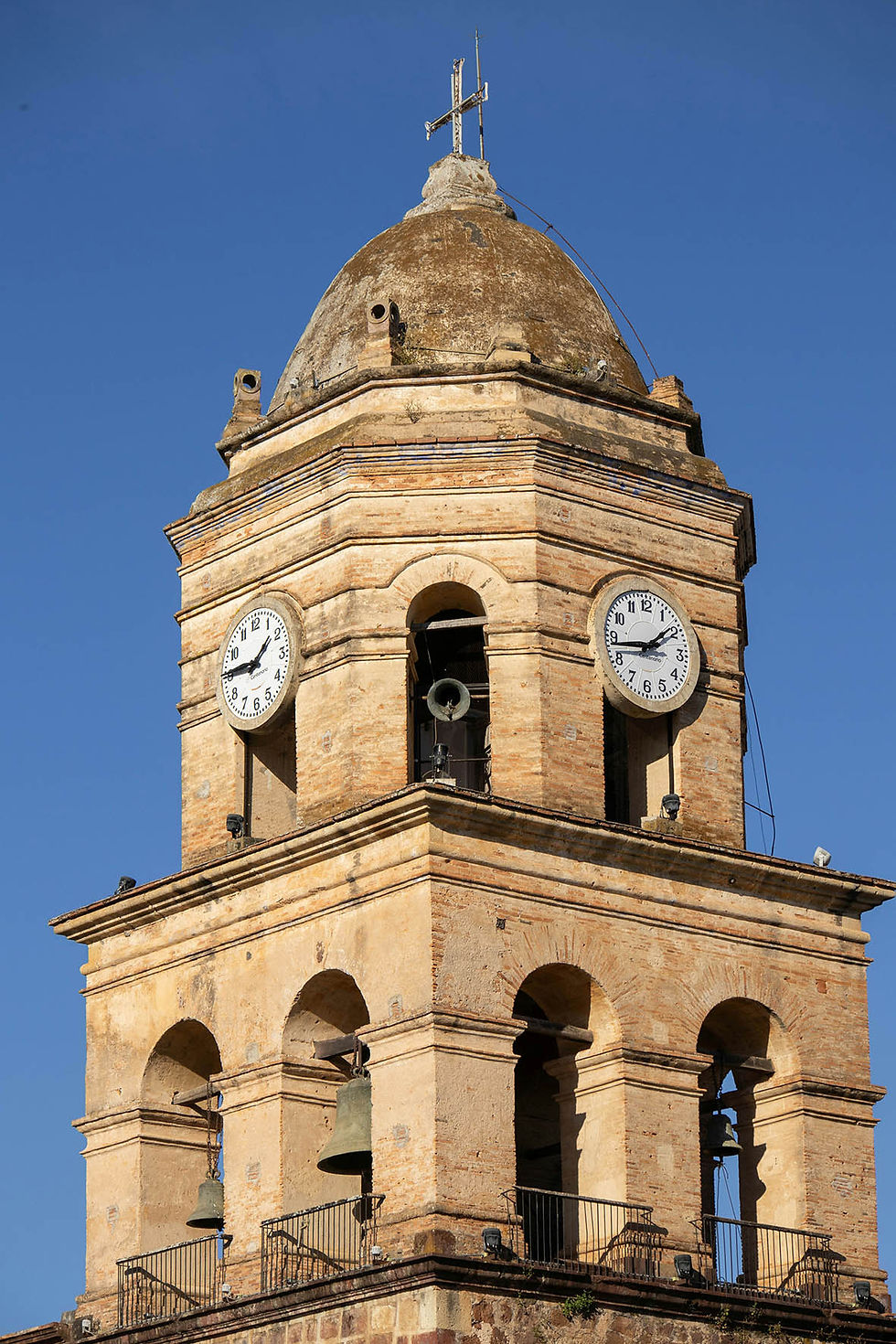
Traditional leatherworking remains alive here, passed down through generations and expressed in pieces that balance function, beauty and cultural value. This dialogue between heritage and contemporary design defines Compostela’s identity as a Pueblo Mágico that continues to evolve without losing its essence.
Along the coast, Rincón de Guayabitos offers calm waters and easy access to Coral Island. Whale watching, nearby beaches such as Los Ayala, Playa Platanitos, and Playa Tortugas—reached via a trail through vegetation and estuary—and a cuisine centred on freshly caught fish create a slower pace, ideal for extended stays and quiet immersion.

Jala
Nayarit’s first Pueblo Mágico lies at the foot of the Ceboruco Volcano, whose active fumaroles trace ever-changing patterns across the sky. Cobblestone streets, stone houses and a restrained elegance define this mountain town. Guided ascents of the volcano appeal to hikers and geology enthusiasts in search of extraordinary views.

Architectural landmarks include the 18th-century Lateran Basilica of Our Lady of the Assumption, built from stone in soft pinks, greens and yellows, and the 16th-century Chapel of San Francisco—known locally as La Viejita—where the Virgin of the Immaculate Conception is depicted wearing a feathered headdress rather than a crown. Nearby, Meseta del Cielo, Nayarit’s first vineyard, cultivates European grape varieties adapted to the highland climate, adding an unexpected oenological chapter to the journey. Click here and join to our readers


Comments