
Buenos Aires combines a passion for tango, asado fires and Criollo nobility.
- Sports & Lifestyle
- 18 hours ago
- 4 min read

By Mónica de Diego
Photos: Areco Tradición, Argentina.gob & Unsplash

The province of Buenos Aires unfolds a rare privilege on the South American map: a territory where equestrian heritage, vibrant cities, nautical enclaves, natural elegance and a gastronomic tradition that shaped a nation coexist with effortless grace.
San Antonio de Areco

Its colonial streets seem lit by the same glow that once guided generations of gauchos, artisans and ranchers who lived not from nostalgia but from a slower, more deliberate way of measuring time. For travelers used to palatial hotels or iconic capitals, Areco proposes another kind of luxury: the luxury of human connection, of time restored to its true texture.

Mornings rise with a veil of mist clinging to the fields while the sound of hooves blends with the scent of damp grass. Gauchos cross the paths with an elegance that feels inherited rather than learned. In pulperías—where the walls haven’t shifted in a century—conversation is a ritual woven from pauses and stories.
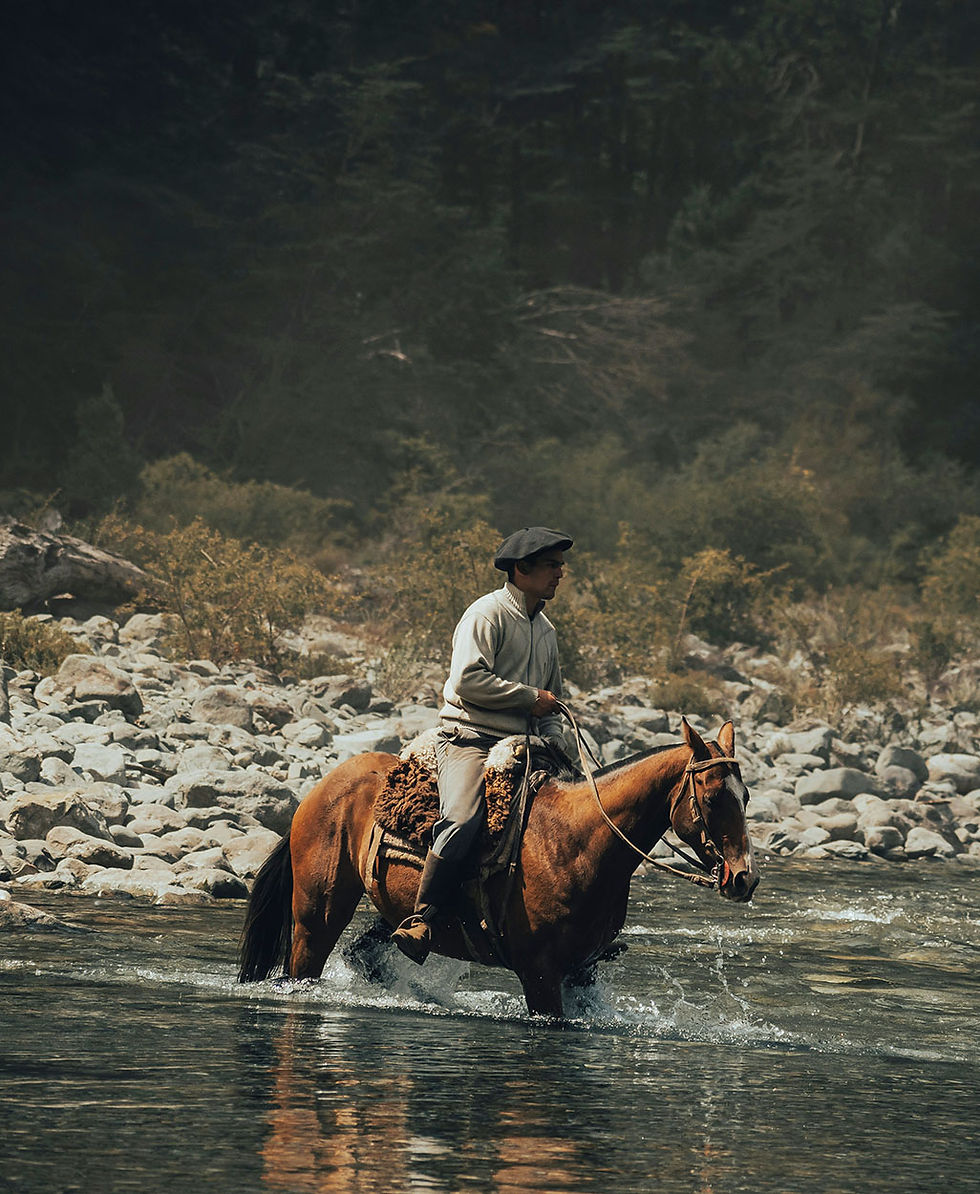
From town, the road leads to century-old estancias transformed into boutique retreats, where the equestrian experience is part of daily life. Born in the 16th century, these estancias—haciendas elsewhere in Latin America, ranches in North America—found in Argentina a singular identity shaped by roaring fireplaces, criollo traditions and genuine hospitality.

Each November 10, the Fiesta de la Tradición transforms Areco into the spiritual capital of the Argentine gaucho. Equestrian parades, silverwork that gleams like baroque jewelry, riding displays, music and dances bring to life a way of living that still pulses across the pampas.
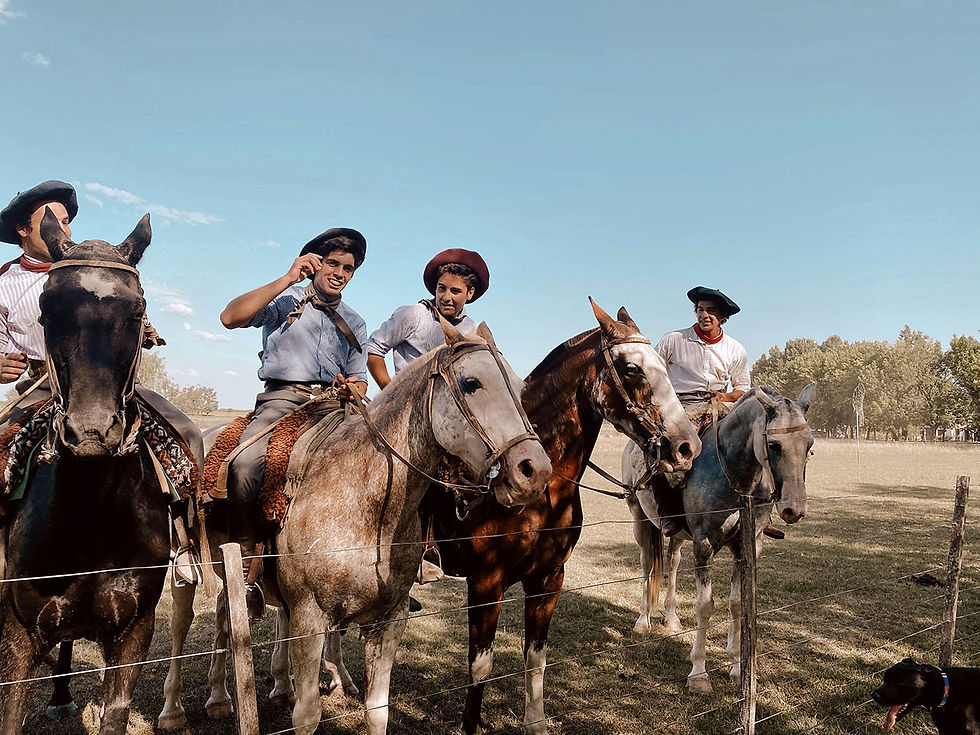
Criollo skills, dancing and the glow of guitars ignite the night, distilling a spirit born in the 17th and 18th centuries, when the first gauderíos roamed the pampas behind wild cattle. Today, the modern gaucho blends tractor and horse, memory and present, preserving a serene pride of lineage, history and identity that refuses to fade.
Tigre, the Delta and Nordelta

If Areco slows the pulse, the Delta invites you to surrender to the water. Tigre is the gateway to one of the world’s great river deltas—a labyrinth of channels where life flows to its own rhythm. Many travelers arrive from the airport straight to a private dock, boarding yachts to reach century-old clubs, hidden restaurants and modernist homes accessible only by water.
A little further north, Nordelta represents contemporary nautical luxury: sweeping marinas, rowing clubs, wakeboarding, and lakefront residences that feel like private islands. Few South American destinations match its aquatic lifestyle. Nearby Martín García Island adds layers of history and untouched nature: once a political prison, now a serene enclave where time seems to drift.
Buenos Aires City

Some cities beat; others dance. Buenos Aires does both. A capital of art, passion and gastronomy, it blends European heritage with Latin rhythm and an unmistakable energy felt on every corner. Between nostalgic cafés, streets where tango still breathes, stadiums that vibrate like temples and parks where time seems to stretch, Buenos Aires invites you to live intensely—with style and with the very porteño talent for enjoying the moment.

Every neighborhood has its own rhythm. Recoleta breathes elegance with its palaces, boutiques, galleries and porcelain-laden cafés. Palermo, by contrast, is pure creativity—murals, design shops and hidden bars beating with the city’s modern heart. Palermo Soho is a global reference for urban cool, while Palermo Hollywood blends cutting-edge gastronomy with nightlife that rarely sleeps.

Spaces such as El Ateneo Grand Splendid, housed in a former theatre, are a must-see for those seeking inspiration among endless bookshelves. This 1919 setting dazzles from the moment you step inside: what is now the largest bookshop in South America—and one of the most beautiful in the world—retains soft lighting, eye-catching frescoes and the intact elegance of a theatre that never stopped dreaming. Sitting there with an open book and historic architecture as a backdrop creates an intimate, cinematic moment in the heart of Buenos Aires.

Tango is pure identity. Born in 19th-century port districts, it became a global symbol of passion and melancholy. Today it thrives in milongas where locals and travelers share the floor at La Viruta, El Beso or Salón Canning. It also rises in elegant shows and international festivals celebrating its legacy. In Buenos Aires, tango is not memory—it’s heartbeat.

La Plata
Founded in 1882 as a modern urban experiment, La Plata is an urban manifesto defined by perfect diagonals and a network of plazas. Known as the “City of Diagonals,” it remains breathtakingly symmetrical from the air.

Its cultural life is intense: theatres, galleries, concerts and museums enliven its avenues with a youthful spirit. The Teatro Coliseo Podestá was inaugurated in 1886 and designed in Italian style by Uruguayan architect Carlos Zenhdorf. It retains the essence of those 19th-century lyrical evenings that made it famous, when international sopranos and tenors travelled to sing in a building that still exudes old-world glamour today.

Click here and join to our readers


Comments